Guest Articles

Strewn Field Report: Sims Corner, Washington

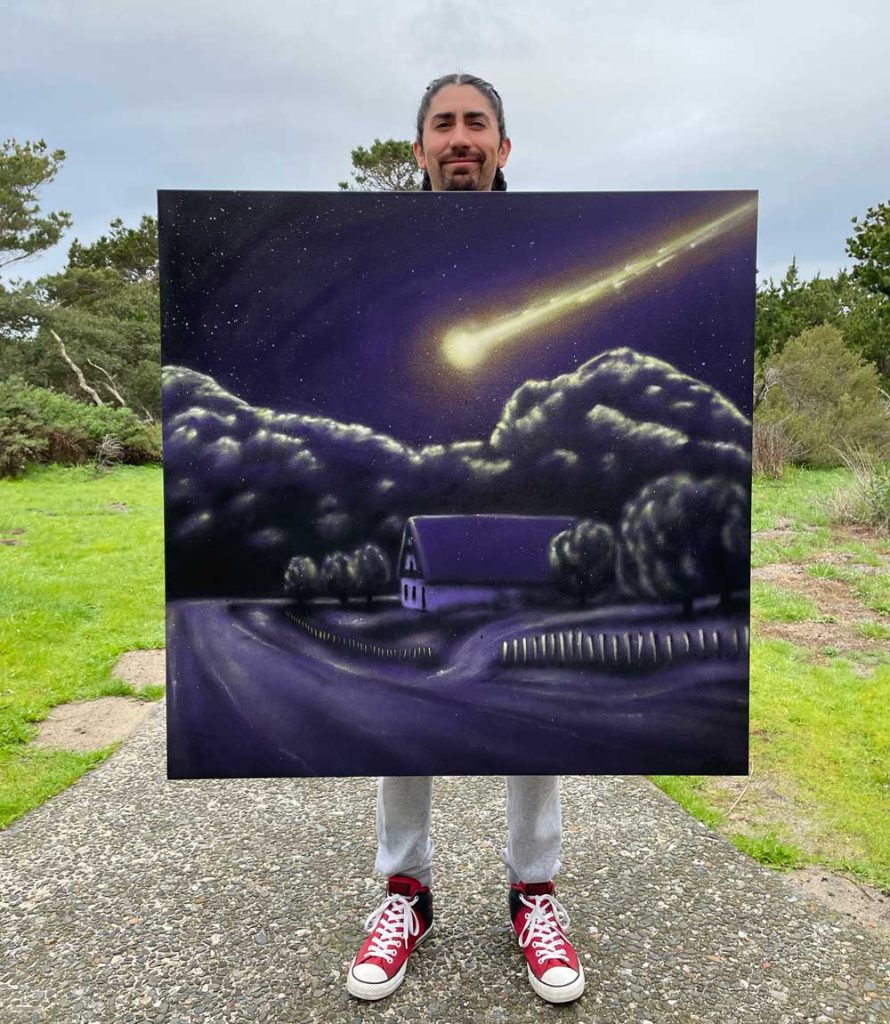
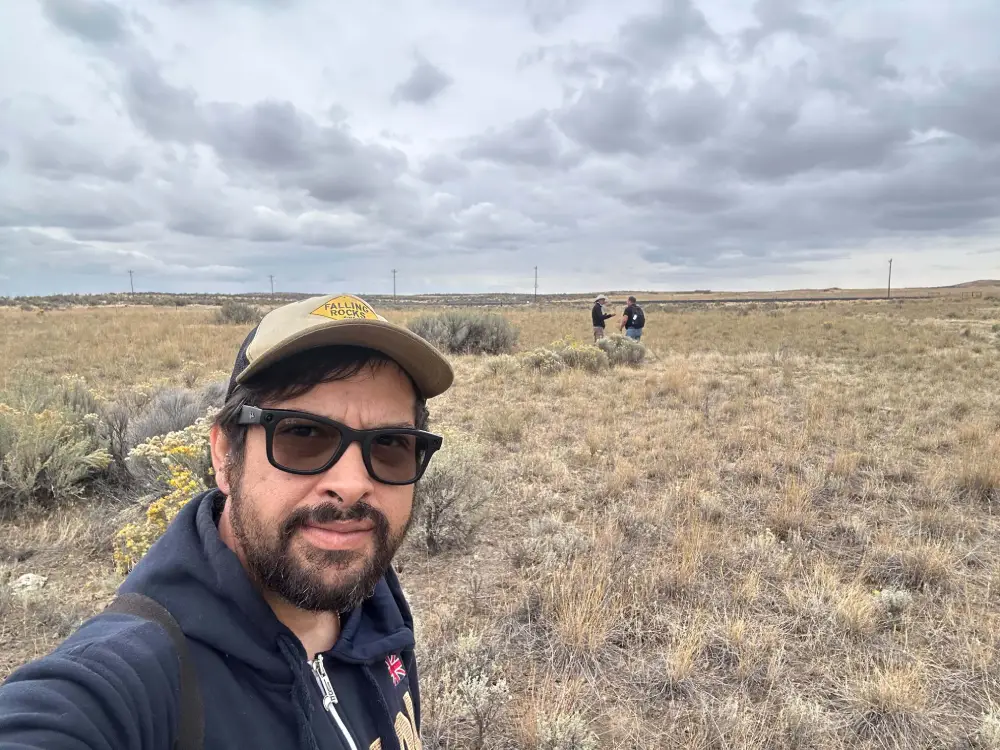
On August 14th, 2026, at around 12:49am local time, a meteor was spotted over Sims Corner, Washington. It was a large fireball with what looked like multiple fragmentation events, the event was caught on camera and radar, and people reported hearing/experiencing sonic booms. When I heard about it, I got a little excited. I reached out to some people and
Strewn Field Report: Sims Corner, Washington Read Post »

Meteorite or Meteor-wrong? – Students Attempt to Find Out!

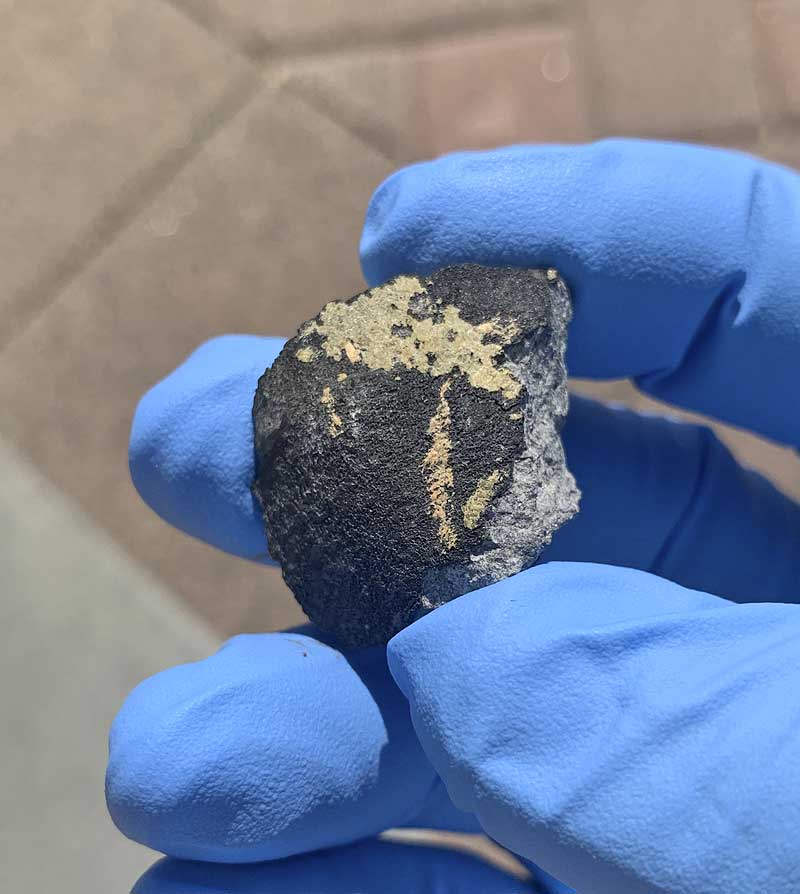
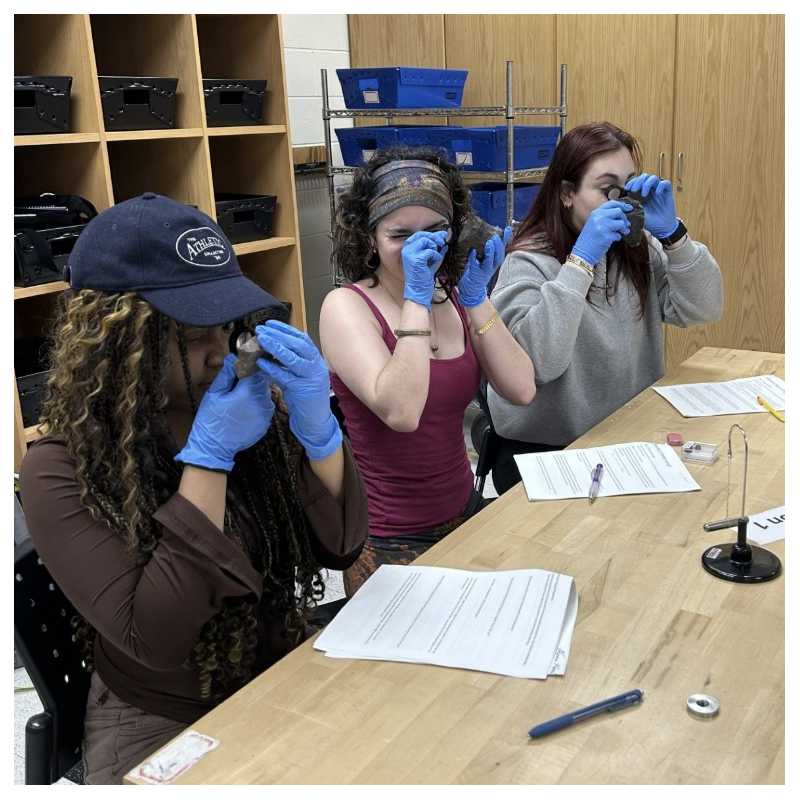
Students at Perimeter College are now getting a hands-on meteorite experience in their astronomy lab!  This innovative lab puts a wide variety of meteorites in front of students, inviting them to touch the history of the solar system.  The students are encouraged to examine the meteorites, to learn how they form, and to explore what signs to look for to

Meteorite or Meteor-wrong? – Students Attempt to Find Out! Read Post »

Returned Sample Identification of Organic Compounds from Asteroid Ryugu

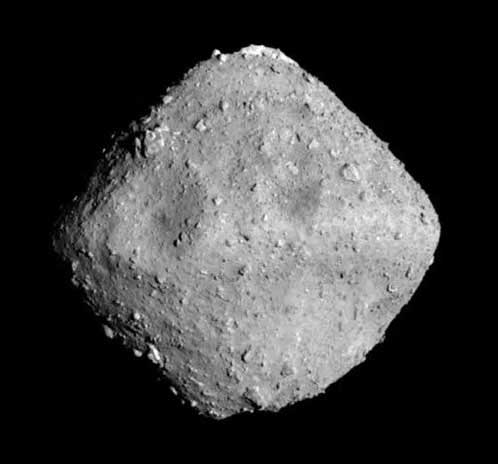
The Japanese Space Agency (JAXA) launched a spacecraft named Hayabusa2 to study asteroid 162173 Ryugu on December 3, 2014. Hayabusa2 arrived at Ryugu on June 27, 2018 then successfully orbited, mapped and sampled the asteroid. On Dec. 6, 2020, the Hayabusa2 returned to earth and released a capsule containing a sample of the asteroid. I published an article entitled: Initial

Returned Sample Identification of Organic Compounds from Asteroid Ryugu Read Post »

Initial Sample Return Analysis from Asteroid Ryugu

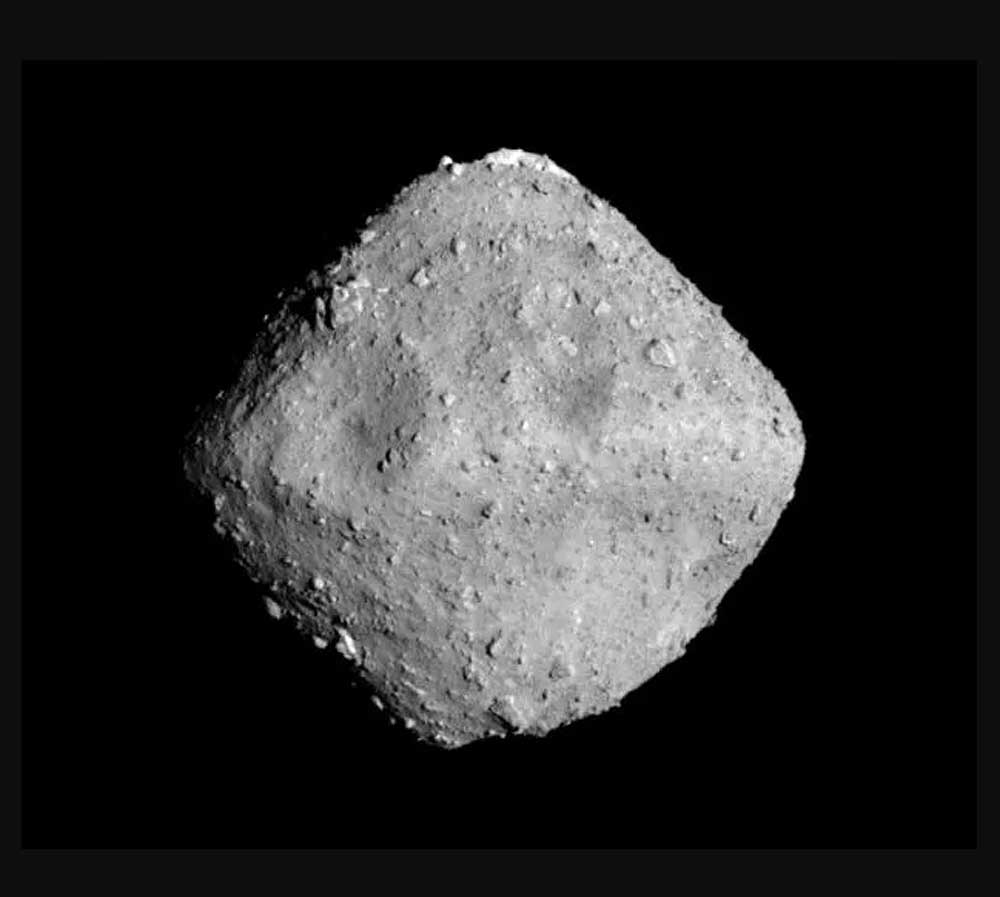
The Japanese Space Agency (JAXA) launched a spacecraft named Hayabusa2 (Hayabusa means Falcon) to study asteroid 162173 Ryugu on December 3, 2014. Ryugu is classified as a C-type carbonaceous asteroid. (See figure 1) Hayabusa2 arrived at Ryugu on June 27, 2018 then successfully orbited and mapped the asteroid. The spacecraft soon deployed a series of two rovers and a small

Initial Sample Return Analysis from Asteroid Ryugu Read Post »

Cosmic Microscapes – Seeing Into Rocks from Oregon and Space

An amazing exhibit of meteorite photography has opened at the High Desert Museum in Bend, Oregon. Yes—Bend, Oregon, the largest town in Central Oregon, best known for skiing and other outdoor activities, is also home to a fine museum which is rapidly becoming a major attraction featuring wildlife, culture, art and history. A visitor to the museum today will be

Cosmic Microscapes – Seeing Into Rocks from Oregon and Space Read Post »

An Extraterrestrial Protein identified in the Allende & Acfer 086 CV3 Carbonaceous Chondrites

The year 1969 was a pivotal point in the history of space science. The Allende CV3 carbonaceous chondrite fell on February 8, 1969 in Chihuahua Mexico, Apollo 11 landed on the Moon on July 20, 1969, and the Murchison CM2 carbonaceous chondrite fell on September 28, 1969 in Victoria, Australia. Sandwiched between all these incredible events was the Woodstock Music

An Extraterrestrial Protein identified in the Allende & Acfer 086 CV3 Carbonaceous Chondrites Read Post »

Seeking the Nininger`s Museums

From the ruins near the Arizona Crater to the unknown building that now belongs to a Hotel. Harvey Harlow Nininger (1887 – 1986), a name that marked the history and direction of meteoritic science in the world. He was a meteorite enthusiast in North America and with his love and dedication he also aroused passion, as well as scientific interest

Seeking the Nininger`s Museums Read Post »

Scroll to Top